Electrical systems are expected to perform reliably every day, whether they are powering a commercial building, industrial facility, construction site, or outdoor infrastructure. However, not every environment provides the same level of protection for electrical wiring.
Cables installed in harsh locations face many challenges, including physical impact, moisture, chemicals, temperature changes, and mechanical pressure. Standard cables may not always provide enough protection in these situations. This is where armoured cables become an important part of the electrical infrastructure.
Designed with an additional protective layer, armoured cables provide enhanced durability and safety compared to conventional cables. They are commonly used in demanding environments where cable damage could lead to power failures, safety risks, or costly repairs. But does every project require armoured cable? The answer depends on where and how the cable will be installed.
This guide explains what armoured cable is, how it works, where it is used, and when choosing it is the right decision for your electrical project.
Understanding What Armoured Cable Actually Means
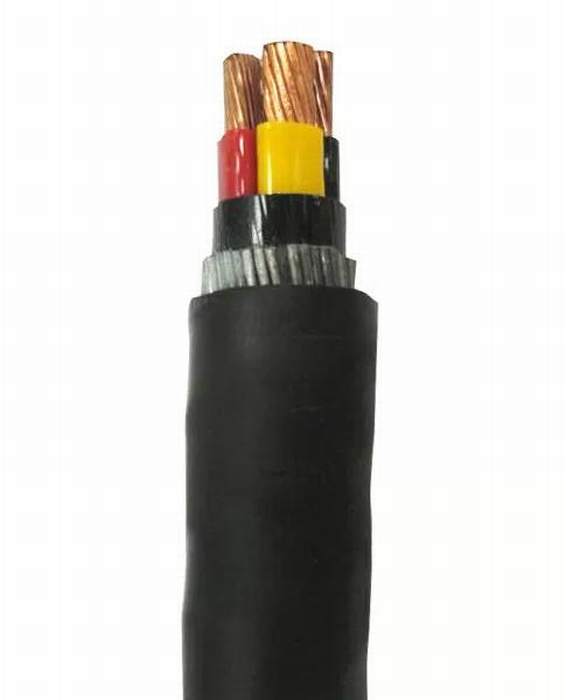
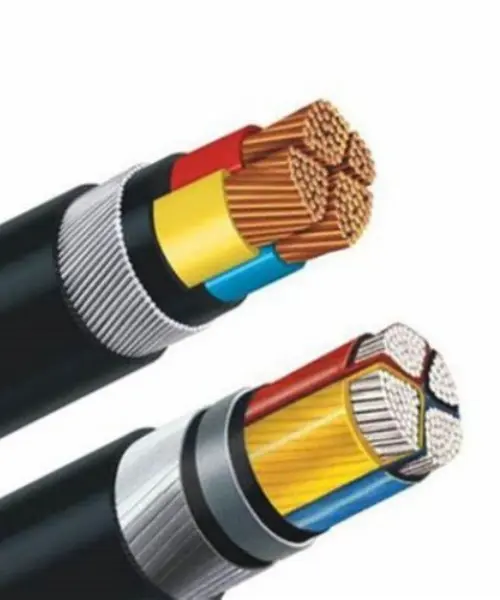
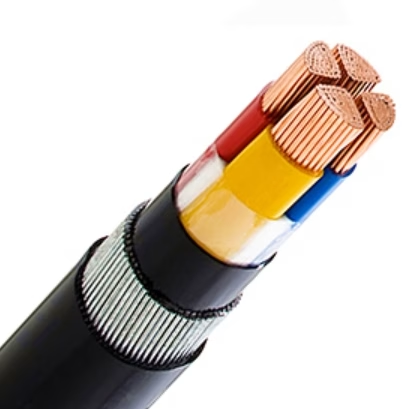
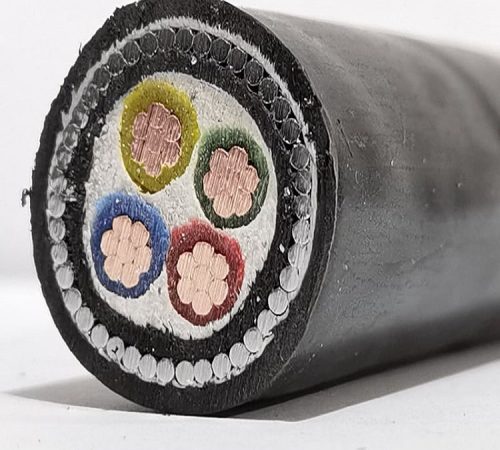
An armoured cable is an electrical cable that includes an additional protective layer made from metal or another strong material. This armour layer is placed around the cable to protect the internal conductors from external damage.
A standard electrical cable typically contains:
- Conductors that carry electrical current
- Insulation around the conductors
- Outer protective covering
An armoured cable adds another level of protection between the insulation and the external environment. This makes it suitable for areas where cables may experience:
- Impact
- Pressure
- Movement
- Moisture
- Harsh conditions
The armour does not just make the cable stronger; it improves the overall reliability of the electrical system.
Why Regular Cables May Not Be Enough
In controlled indoor environments, normal electrical cables often perform well. For example, cables inside protected walls or ceilings are generally safe from external damage. However, many real-world installations involve challenging conditions.
Consider cables installed in:
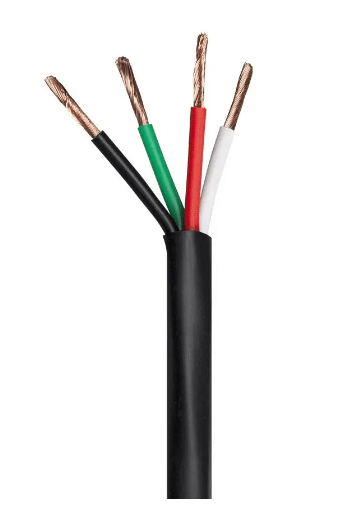
- Underground areas
- Outdoor spaces
- Industrial plants
- Parking facilities
- Construction zones
These areas expose cables to risks that standard wiring may not handle effectively.
A damaged cable can cause:
- Electrical faults
- Power interruptions
- Equipment failure
- Fire hazards
Using the right cable type from the beginning helps avoid these problems.
How Armoured Cable Provides Protection
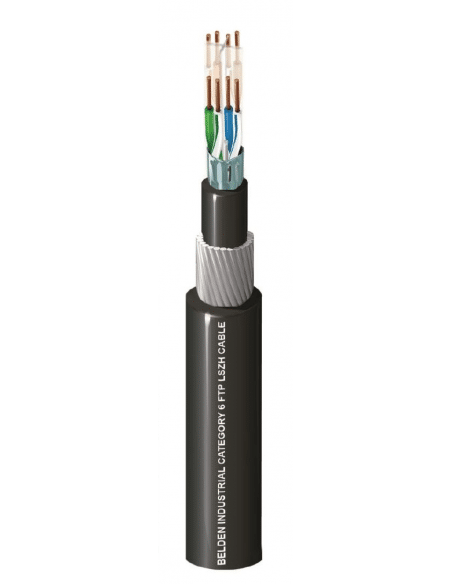
The strength of armoured cable comes from its construction. The protective armour layer acts as a barrier against external threats. Depending on the cable design, armour may protect against:
Mechanical Damage
Cables can be damaged by:
- Heavy equipment
- Accidental impact
- Construction activities
- Pressure from surrounding materials
The armoured layer helps prevent physical damage to the internal wiring.
Moisture Exposure
Water and moisture can affect electrical systems if cables are not properly protected.
Armoured cables are often used in areas where exposure to moisture is possible, such as outdoor installations and underground applications.
Environmental Conditions
Outdoor and industrial environments may involve:
- Dust
- Chemicals
- Temperature changes
- Harsh surroundings
The protective construction helps cables maintain performance under difficult conditions.
Types of Armoured Cable
Not all armoured cables are the same. Different applications require different cable designs.
Steel Wire Armoured Cable (SWA)
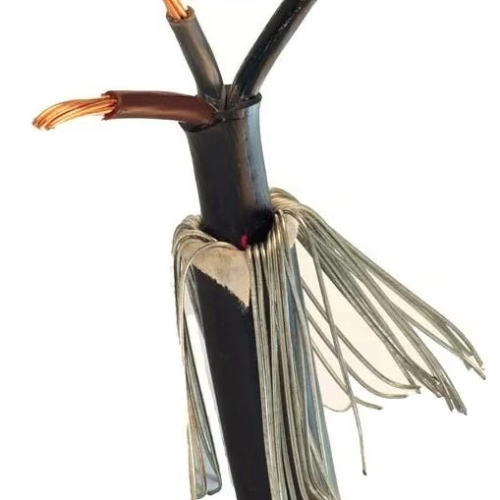
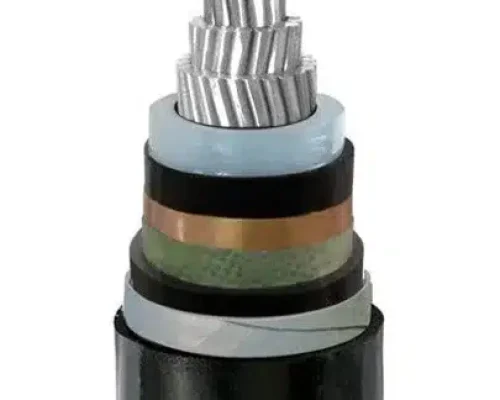
Steel wire armoured cables are among the most commonly used types. They use steel wires around the cable to provide mechanical protection.
They are commonly installed in:
- Industrial facilities
- Underground power systems
- Commercial projects
- External electrical networks
SWA cables are valued for their strength and durability.
Steel Tape Armoured Cable
Steel tape armour uses metal strips wrapped around the cable.
This type protects against mechanical stress and is often used in specific installation environments.
Aluminum Armoured Cable
Aluminum armour protects while keeping the cable lighter.
It is useful when weight reduction is important.
The correct selection depends on:
- Electrical load
- Installation location
- Environmental conditions
Where Armoured Cables Are Commonly Used
Armoured cables are not necessary everywhere, but they are extremely valuable in certain situations.
Underground Electrical Installations
Underground cables are exposed to pressure from soil, construction activity, and possible impact.
Armoured cables help protect electrical lines from damage after installation.
They are commonly used for:
- Power distribution
- External connections
- Industrial networks
Industrial Facilities
Factories and industrial sites often contain machinery, heavy movement, and demanding operating conditions.
Electrical cables may be exposed to:
- Equipment movement
- Vibrations
- Accidental impact
Armoured cables provide additional protection in these environments.
Outdoor Installations
Outdoor cables face constant exposure to environmental conditions.
They may experience:
- Sunlight
- Moisture
- Temperature changes
Using appropriate armoured cable helps improve system reliability.
Construction Sites
Temporary and permanent electrical installations at construction sites require strong protection.
Cables may be exposed to:
- Heavy tools
- Vehicles
- Construction materials
Armoured options reduce the risk of accidental cable damage.
Commercial Buildings
Large commercial projects may use armoured cables in areas such as:
- Parking areas
- External lighting systems
- Utility connections
- Service areas
The choice depends on the building design and electrical requirements.
Armoured Cable vs Standard Cable
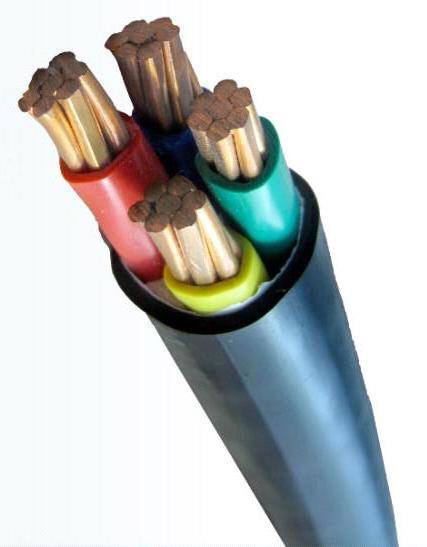
The decision between armoured and standard cable depends on the application.
Standard cables are suitable when:
- The cable is protected inside structures
- There is low risk of damage
- Environmental exposure is limited
Armoured cables are preferred when:
- Mechanical protection is needed
- Installation is outdoors
- The environment is demanding
- Long-term reliability is important
Choosing armoured cable when required can prevent future electrical problems.
Benefits of Using Armoured Cable
Investing in the right cable solution provides several advantages.
Increased Safety
The additional protection reduces the risk of cable damage and electrical failures.
Longer Service Life
Protected cables generally last longer, especially in challenging environments.
Reduced Maintenance
Strong cable protection means fewer repairs caused by external damage.
Better Reliability
A protected electrical system provides more consistent performance.
For businesses, reliability means fewer interruptions and smoother operations.
Common Mistakes When Selecting Armoured Cable
Choosing the wrong cable can affect the entire electrical system.
Some common mistakes include:
Selecting Based Only on Price
A cheaper cable may not provide the required protection.
Ignoring Installation Conditions
The surrounding environment should always influence cable selection.
Using Incorrect Cable Size
Cable size must match the required electrical load.
Poor Installation Practices
Even high-quality cables can fail if installed incorrectly.
Professional planning and installation are essential.
Why Professional Cable Installation Matters
Cable selection is only one part of creating a safe electrical system.
Proper installation requires:
- Correct cable routing
- Suitable termination
- Proper protection methods
- Electrical testing
Incorrect installation can lead to:
- Reduced performance
- Safety issues
- Premature cable failure
Working with experienced electrical professionals ensures the system performs as intended.
Choosing the Right Electrical Partner
A reliable electrical service provider helps businesses identify the right solution based on actual project requirements.
Professional support includes:
- Site evaluation
- Cable selection guidance
- Installation planning
- Testing and maintenance
This approach ensures the electrical infrastructure is safe, efficient, and built for long-term use.
Conclusion
Armoured cable is not simply a stronger version of a regular cable—it is a specialized solution designed for environments where electrical wiring needs extra protection. From underground installations and industrial facilities to outdoor systems and commercial projects, armoured cables provide durability, safety, and improved reliability.
However, not every project requires armoured cable. The correct choice depends on installation conditions, environmental risks, electrical requirements, and future usage.
Selecting the right cable at the beginning can prevent unexpected failures, reduce maintenance costs, and improve the overall performance of your electrical system.
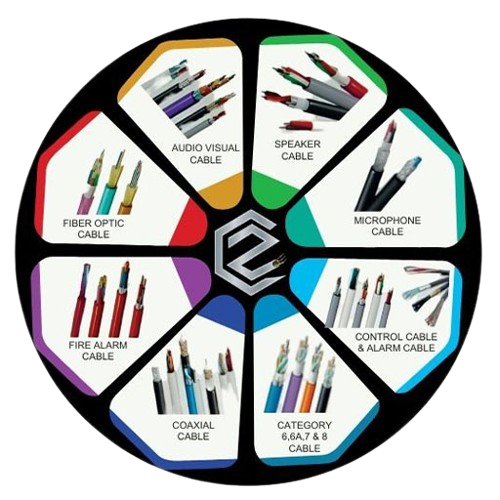
At Cable Zone Technology, we provide professional cable installation and structured electrical solutions designed for commercial and industrial requirements. Our experienced team helps businesses choose the right cabling systems, install them correctly, and maintain reliable infrastructure. Contact us today to discuss your electrical and cabling needs.