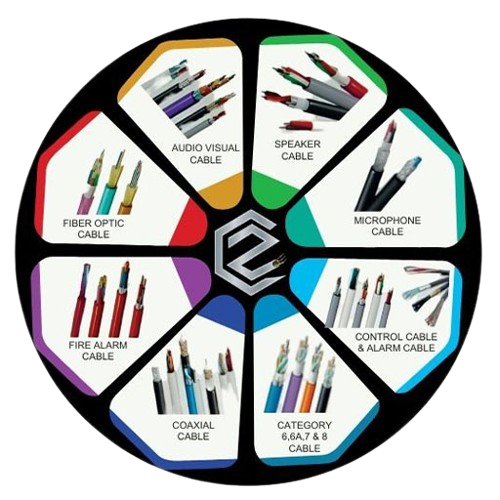
In today’s fast-moving digital world, a stable and high-speed internet connection is essential for homes and businesses. Whether you are setting up an office network, upgrading your home internet, or building IT infrastructure for a commercial space, choosing the right network cable makes a big difference. In this complete guide, we will explain what Cat 6 cable is, its technical specifications, key features, common uses, installation tips, and why it is widely preferred for modern networking. By the end of this article, you will clearly understand how Cat 6 cable works and whether it is the right choice for your networking needs.
What Is Cat 6 Cable?
Cat 6 cable, short for Category 6 cable, is a standardized twisted-pair cable used for Ethernet and network connections. It is designed to support high-speed data transmission with improved performance compared to older cable types like Cat 5 or Cat 5e.
Cat 6 cables are commonly used in:
- Office networks
- Data centers
- Home internet setups
- Commercial buildings
- Security and CCTV systems
They are built to reduce interference and deliver faster, more stable connections.
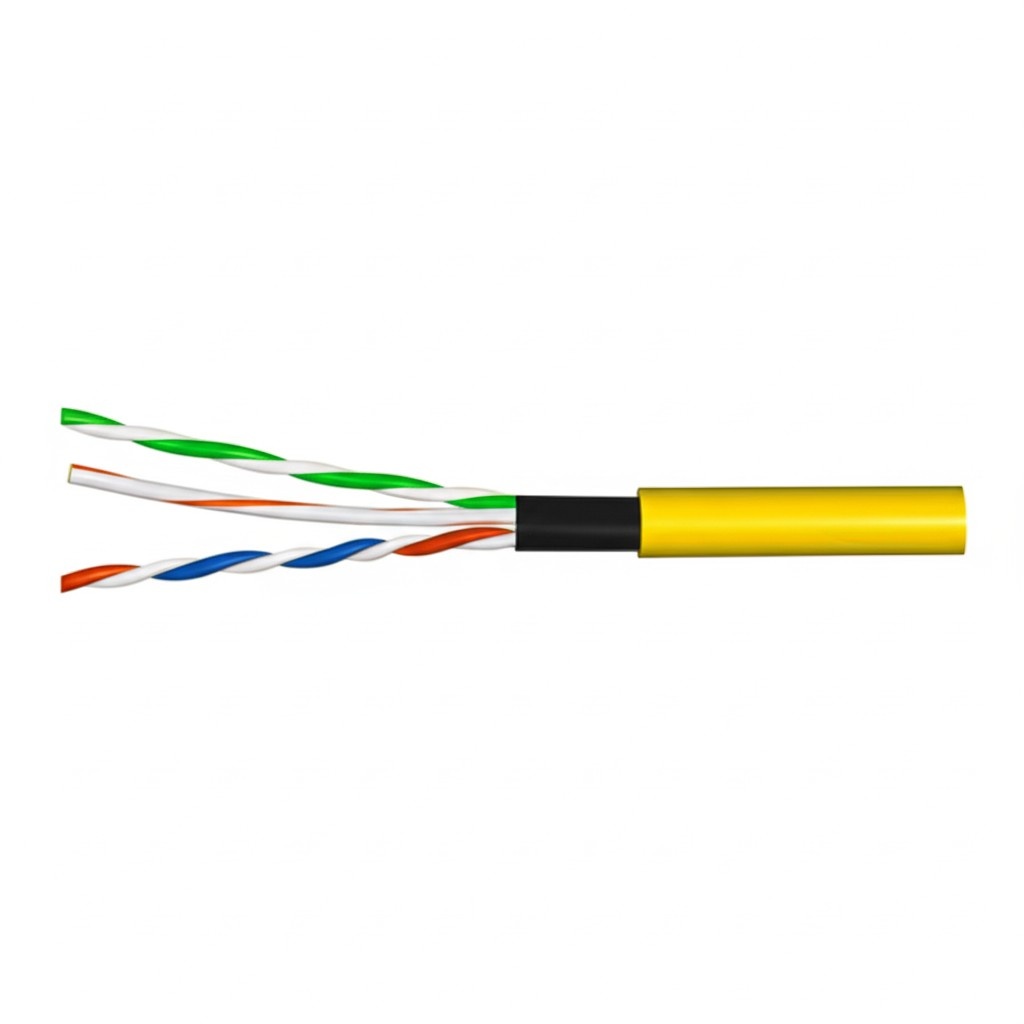
Cat 6 Cable Specifications
Understanding the technical specifications helps you make an informed decision.
Here are the main specifications of Cat 6 cable:
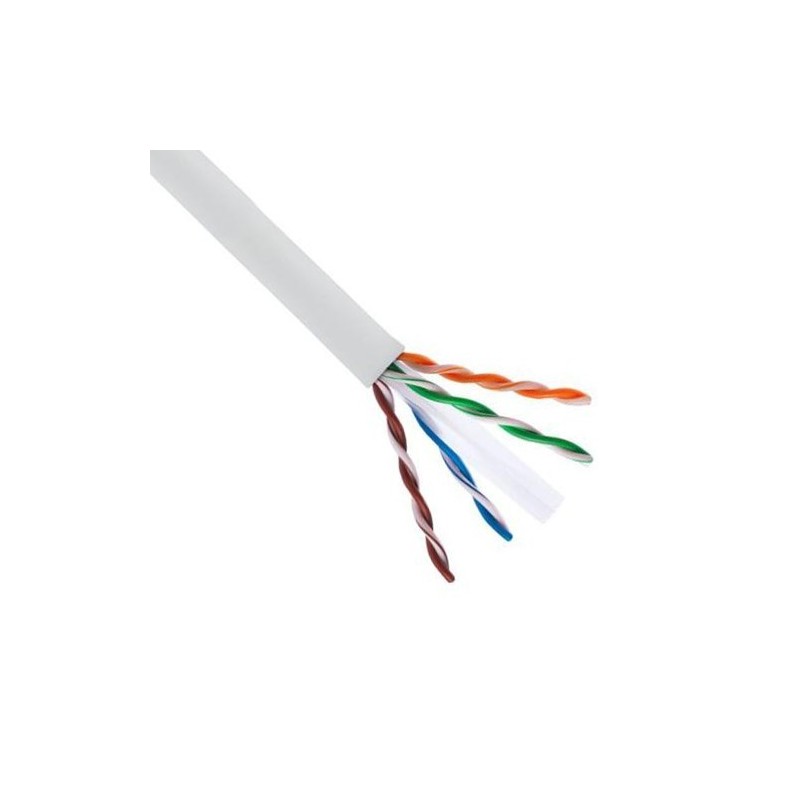
The speed of a CAT6 cable depends on the setup:
- Supports speeds up to 10 Gbps (up to 55 meters)
- Bandwidth of up to 250 MHz
- Improved crosstalk reduction
- Thicker copper conductors
- Available in UTP and STP versions
Because of these specifications, Cat 6 cable provides better performance for demanding network environments.
Types of Cat 6 Cable
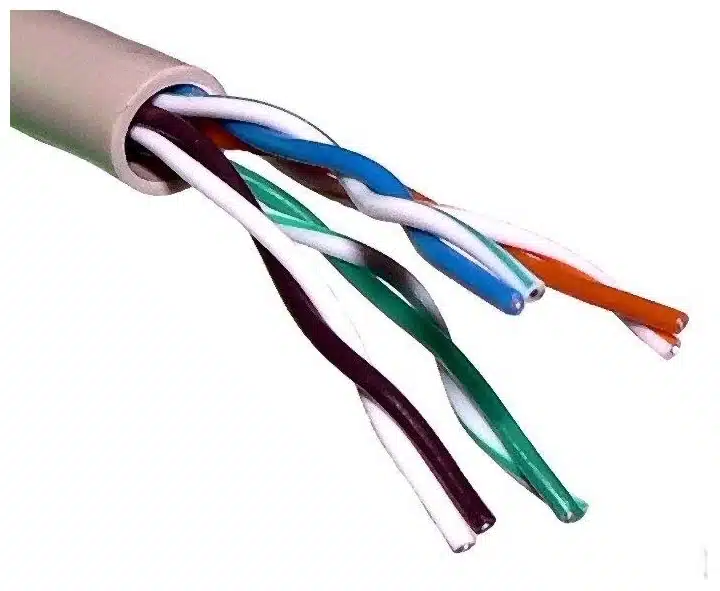
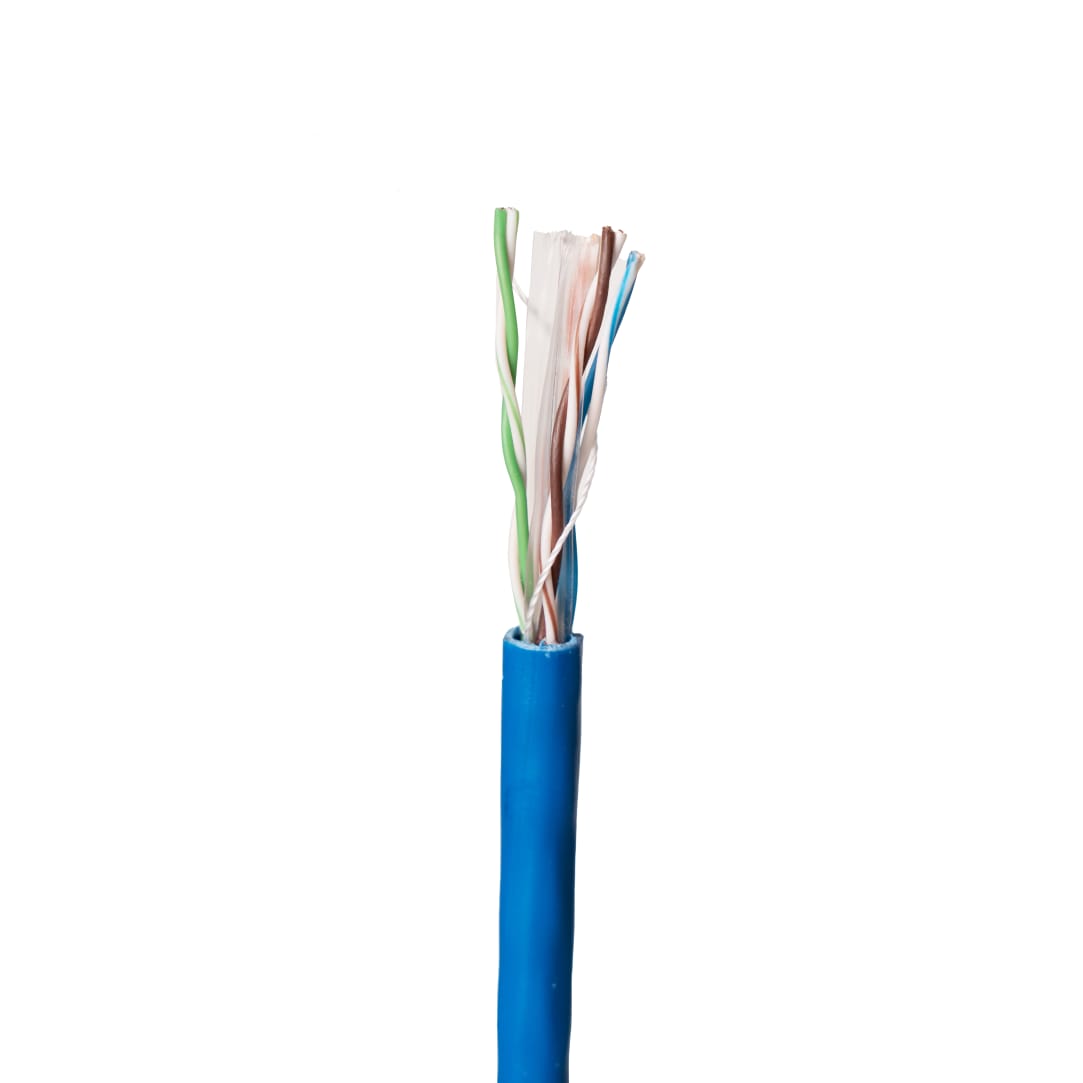
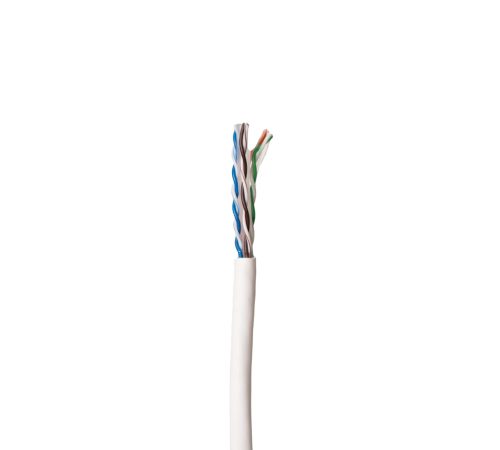
1. UTP (Unshielded Twisted Pair)
UTP Cat 6 cables are the most common type.
Benefits include:
- Cost-effective
- Easy to install
- Suitable for office and home use
They work well in low-interference environments.
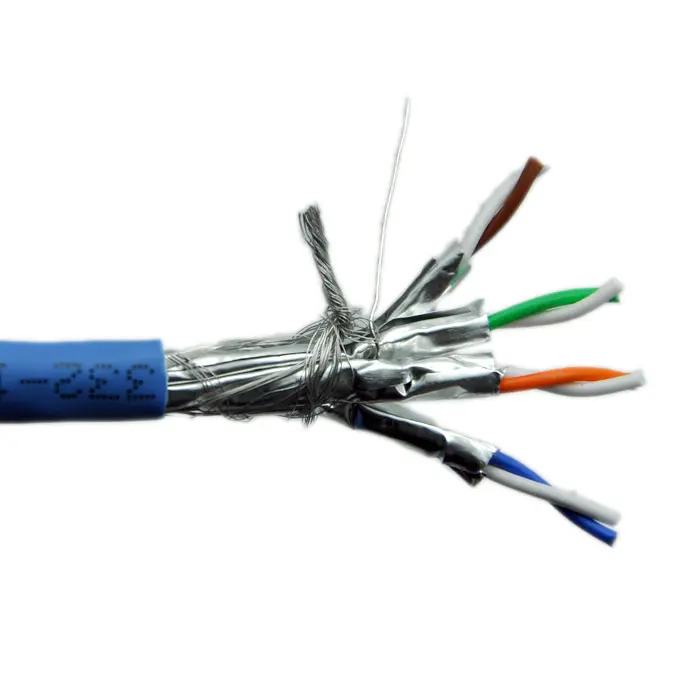
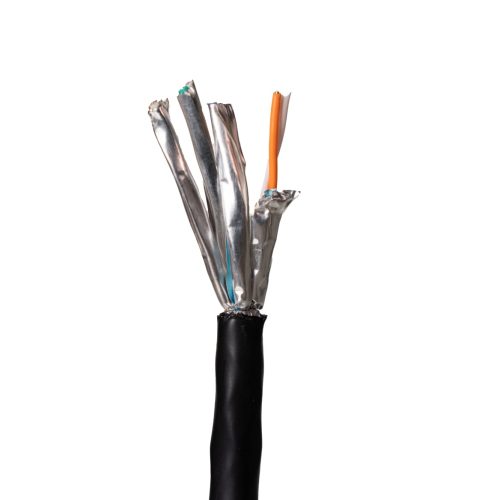
2. STP (Shielded Twisted Pair)
STP Cat 6 cables include additional shielding to protect against electromagnetic interference.
Best for:
- Industrial areas
- High-interference environments
- Data centers
They offer better protection but may be slightly more expensive.
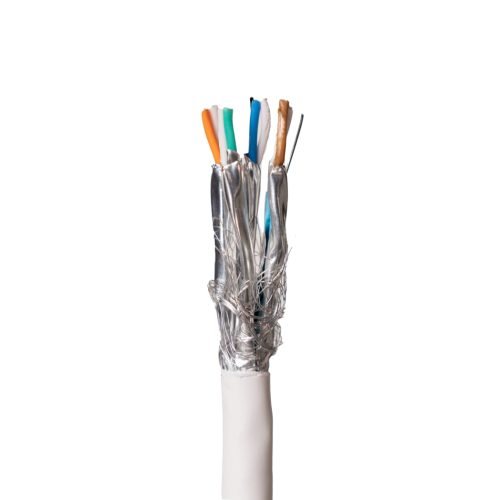
3. Cat 6a Cable
Cat 6a (Augmented Category 6) is an upgraded version.
Key features:
- Supports 10 Gbps up to 100 meters
- Higher bandwidth (500 MHz)
- Improved shielding
Cat 6a is ideal for larger commercial projects.
Advantages of Using Cat 6 Cable
Cat 6 cable offers several advantages compared to older cable categories.
1. Higher Speed
It supports faster data transfer, making it suitable for video conferencing, cloud applications, and large file transfers.
2. Reduced Interference
Improved insulation and tighter twisting reduce signal interference and crosstalk.
3. Future-Ready Performance
Cat 6 cables can handle increasing network demands, making them a smart long-term investment.
4. Reliable Connectivity
They provide stable connections, reducing downtime and network issues.
Common Uses of Cat 6 Cable
Cat 6 cables are widely used in various industries and environments.
- Office Networks: Businesses rely on high-speed internet for communication, file sharing, and cloud-based applications.
- Data Centers: Cat 6 supports high data transfer rates, making it suitable for server connections.
- CCTV and Security Systems: Modern surveillance systems require reliable network cables for smooth video streaming.
- Smart Homes: From smart TVs to home automation systems, Cat 6 cables support multiple connected devices.
Cat 6 Cable vs Cat 5e: What’s the Difference?
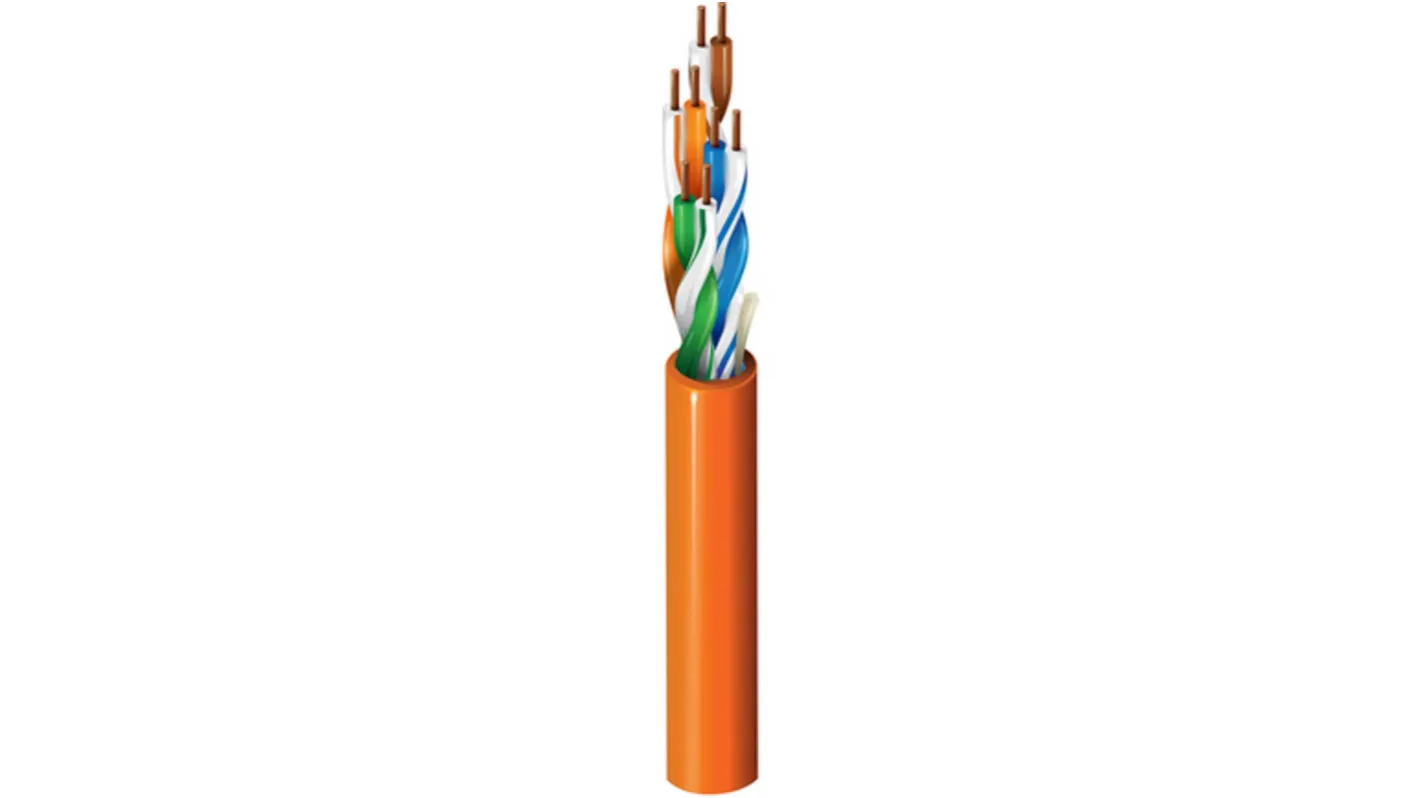
Many people ask whether they should choose Cat 5e or Cat 6.
Here is a simple comparison:
- Cat 5e supports up to 1 Gbps, while Cat 6 supports up to 10 Gbps
- Cat 6 has better crosstalk protection
- Cat 6 is slightly thicker and more durable
For modern networking needs, Cat 6 is generally the better choice.
Installation Guide for Cat 6 Cable
Proper installation is essential for optimal performance.
Plan the Layout
Before installation:
- Measure cable lengths
- Identify connection points
- Plan cable routes
Avoid Sharp Bends
Bending cables too tightly can damage internal wires and affect performance.
Maintain Proper Distance from Power Cables
Keep network cables away from electrical wiring to reduce interference.
Use Quality Connectors
Always use compatible RJ45 connectors designed for Cat 6 cables.
Test the Connection
After installation, test the network using cable testers to ensure proper connectivity.
Important Factors to Consider Before Buying
When purchasing Cat 6 cable, keep these factors in mind:
- Cable length required
- Shielded or unshielded type
- Indoor or outdoor usage
- Copper quality (solid copper is preferred)
- Compliance with international standards
Choosing high-quality cables ensures better performance and durability.
Latest Trends in Network Cabling
Networking technology continues to evolve. Some current trends include:
- Increased demand for high-speed 10 Gbps networks
- Growth in smart building infrastructure
- Integration with IoT devices
- Advanced data center setups
- Improved cable management systems
Cat 6 and Cat 6a cables remain popular choices due to their balance of performance and affordability.
Why Professional Installation Matters
While some small setups can be installed independently, professional installation ensures:
- Correct cable routing
- Reduced signal loss
- Long-term durability
- Compliance with safety standards
Improper installation can lead to performance issues and higher maintenance costs.
Conclusion
Cat 6 cable has become one of the most widely used networking cables for modern infrastructure. With its ability to support high speeds, reduce interference, and handle growing digital demands, it is an ideal solution for offices, commercial spaces, and smart environments. Choosing the right type and ensuring proper installation are key factors in achieving reliable network performance. If you are planning to upgrade your network infrastructure or start a new project, selecting high-quality Cat 6 cable is a smart investment. For premium networking solutions and reliable cabling products, Cable Zone Technology offers a wide range of certified cables and professional support to meet your connectivity needs.