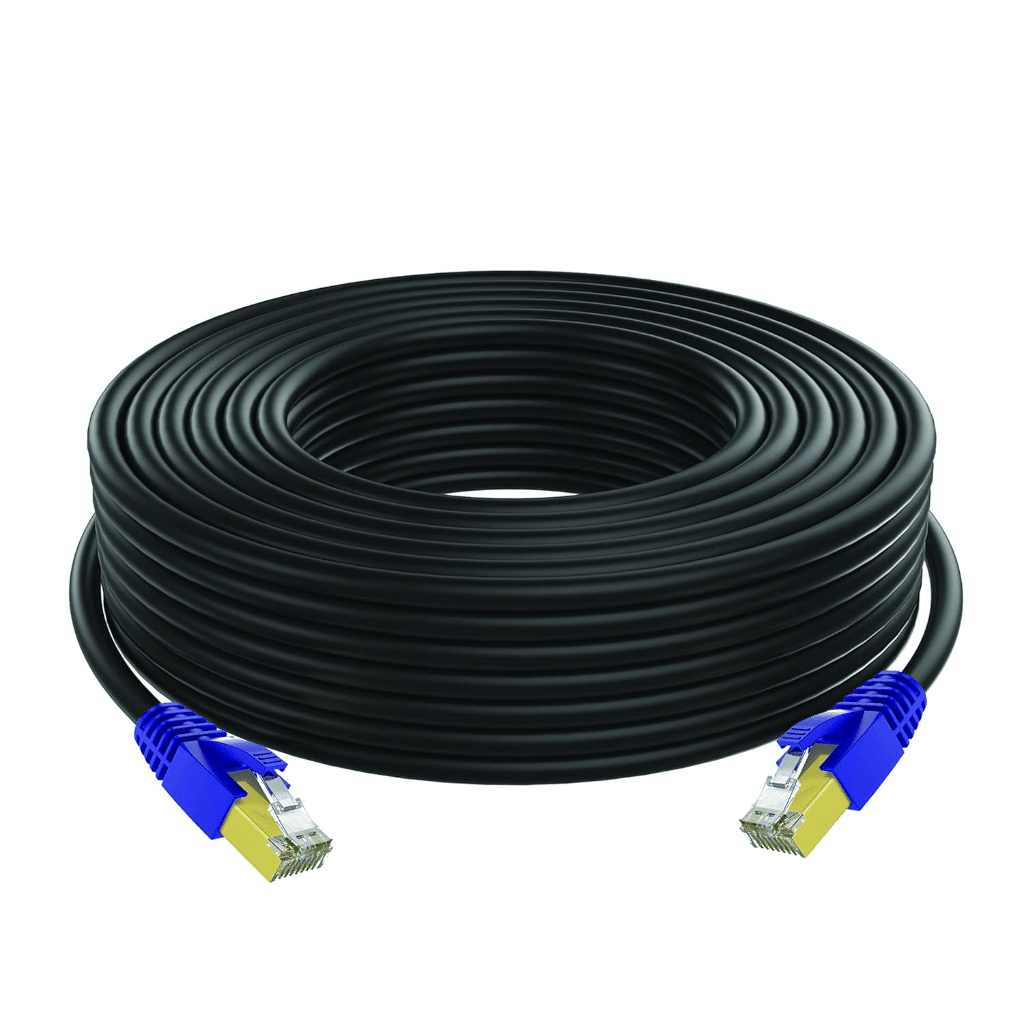
Whether you are setting up a home network, upgrading office infrastructure, or planning professional installations, choosing the right Cat 7 cable is essential to ensure fast, reliable and future‑ready connectivity. This blog explains how to check the quality of Cat 7 Ethernet cables before buying, what technical features and tests matter, common pitfalls to avoid, and practical steps to verify quality so you make an informed decision. By reading this guide, you will understand what to look for in a Cat 7 cable, how to evaluate its performance claims, and how to avoid low‑quality products that could slow down your network or fail prematurely.
Understanding Cat 7 Cables and Their Importance
Cat 7 cables are high-performance Ethernet cables designed to handle high-speed data transmission with minimal interference. They are rated to support speeds up to 10 Gigabits per second (Gbps) and frequencies up to 600 MHz. These cables are ideal for:
- Smart office setups
- High-performance gaming networks
- Data storage systems
- Advanced home networks
Despite the label, not all cables marketed as “Cat 7” actually meet these specifications. Some may use low-grade materials or poor shielding, which can reduce performance and durability. This is why verifying cable quality is essential before making a purchase.
Key Factors to Check Before Buying Cat 7 Cable
Here’s a comprehensive checklist to ensure you purchase a high-quality Cat 7 cable.
1. Confirm the Cable Standard and Frequency
- Ensure the cable has a Class F or Cat 7 rating, which supports up to 600 MHz.
- Avoid cables that only list “Cat 7” without clear technical specifications, as they may not meet genuine performance standards.
2. Inspect the Shielding Type
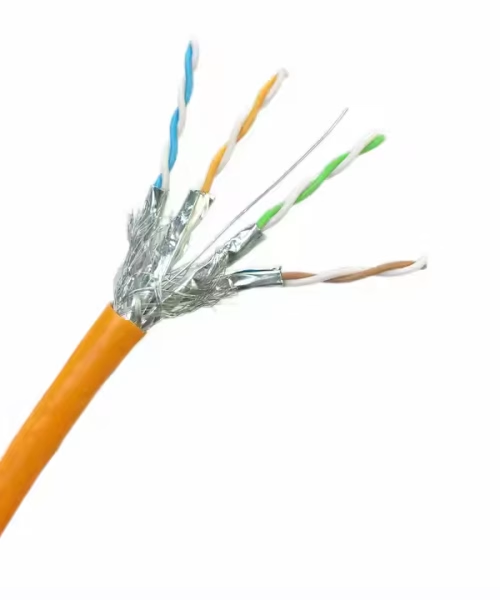
- Quality Cat 7 cables use S/FTP shielding, where each twisted pair is wrapped in foil, and the entire cable has an extra braided shield.
- Proper shielding protects against electromagnetic interference (EMI), which can reduce data transmission quality, especially in busy office or home environments.
3. Check the Conductor Material
- Ensure the cable uses solid bare copper conductors (23 AWG).
- Avoid copper-clad aluminum (CCA) or cheaper metals, as they conduct data less efficiently and can overheat, particularly with Power over Ethernet (PoE) applications.
4. Examine Connectors
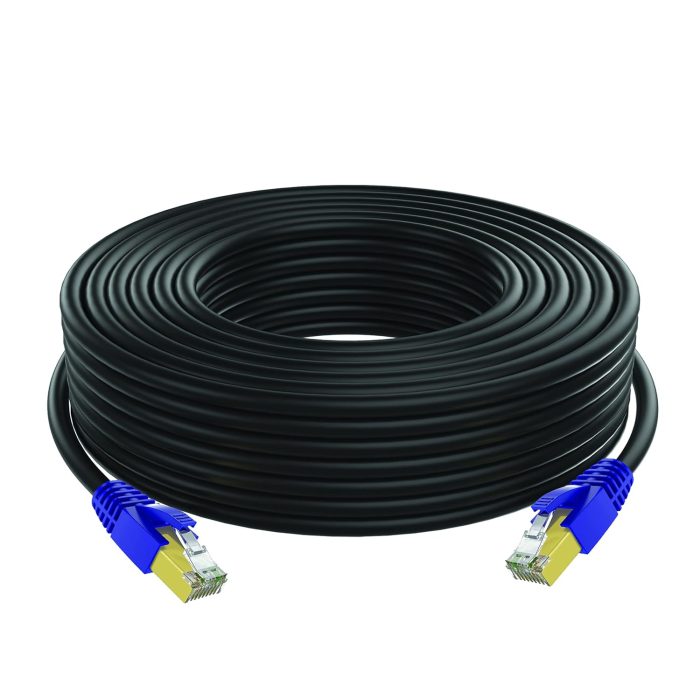
- Look for cables with shielded RJ45, GG45, or TERA connectors.
- Gold-plated contacts prevent corrosion and provide stable, long-term connections.
5. Jacket and Build Quality
- Check the cable jacket for durability and compliance with safety standards, such as LSZH or PVC.
- A high-quality jacket protects the cable from physical damage and fire hazards.
Tools and Tests to Verify Cable Quality
Use a Cable Tester
- Basic testers can check continuity and wiring correctness.
- Advanced testers can measure signal loss, crosstalk, and attenuation, which ensures that the cable performs to Cat 7 standards.
Ask for Certification
- Always request test reports or certificates that confirm the cable meets industry standards.
- Certified cables are more likely to deliver the performance and reliability you expect.
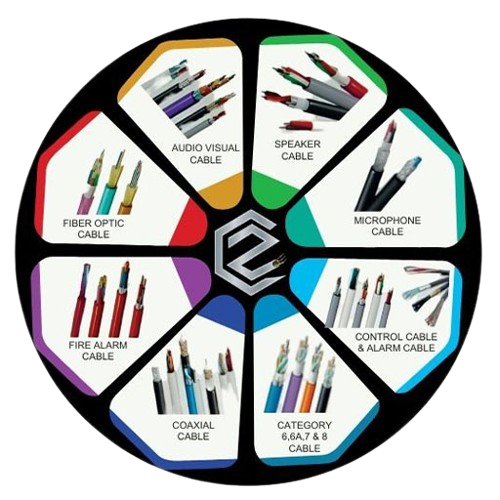
Ramcro provides a variety of cable types suitable for different applications. Here’s a quick overview:
These cables continue to function during fire exposure, ensuring safety systems like alarms, emergency lighting, and fire pumps stay operational.
2. Control & Instrumentation Cables
Used for automation and control systems, these cables transmit signals between devices with precision and minimal interference.
3. Data and Communication Cables
Category cables like Cat 6 are perfect for structured cabling in networks, server rooms, and data centers, ensuring reliable data transmission.
4. Fiber Optic Cables
Fiber optic cables are ideal for high-speed data and long-distance communication, providing fast and secure connectivity.
5. Security & Audio Cables
Designed for security systems, intercoms, and audio setups, these cables reduce interference and maintain signal clarity.
Practical Checks Before Buying Cat 7 Cable
Even without advanced tools, you can perform simple quality checks:
Visual Inspection
- Look for clear labeling that includes Cat 7, frequency, and shielding type.
- Inspect connectors for sturdiness and make sure there are no loose parts.
Length Considerations
- Cat 7 cables perform best up to 100 meters.
- Longer runs may reduce speed and signal quality, so plan installation routes carefully.
Avoid Extremely Cheap Cables
- Very cheap cables are often made with low-quality materials or are mislabeled.
- Investing in a reliable cable ensures consistent performance and longer lifespan.
Common Mistakes Buyers Make
- Assuming a higher category number automatically means better quality.
- Ignoring conductor material or shielding specifications.
- Buying without checking for certifications or test reports.
- Not considering cable flexibility, which can impact installation in tight spaces.
Additional Tips for Ensuring Quality
- Check Reviews: Genuine feedback from other buyers can reveal issues not listed in the specifications.
- Ask for Manufacturer Details: Reliable brands usually provide clear technical details and customer support.
- Consider Future Needs: Even if your current network doesn’t require 10 Gbps, investing in a high-quality Cat 7 cable is future-proofing your setup.
Summary 2026 Buyer’s Checklist for Cat 7 Cable
Before making a purchase, verify the following:
- Cat 7 (Class F) rating and 600 MHz frequency
- S/FTP shielding with proper grounding
- Solid copper conductors (23 AWG)
- Shielded or GG45 connectors with gold plating
- Certification or test reports
- Durable jacket (LSZH or PVC)
- Suitable length for your installation
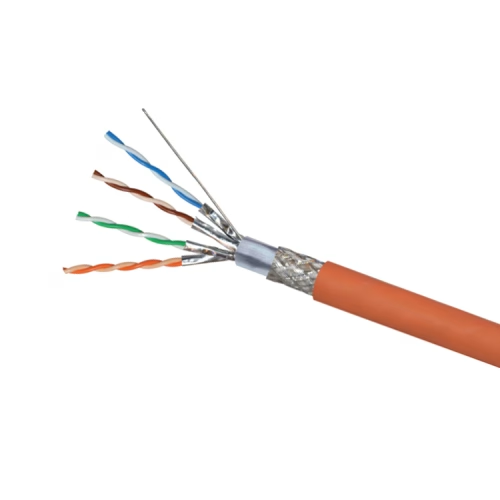
Following this checklist ensures that you purchase a cable that will deliver reliable, high-speed, and long-lasting performance.
Conclusion
Investing in a high-quality Cat 7 cable is crucial for achieving fast, stable, and future-ready network performance. Verifying technical specifications, shielding, conductor material, connectors, and certifications helps you avoid low-quality products that could cause network interruptions or early failures.
A high quality Cat 7 cable may cost a little more, but it ensures long-term reliability and superior performance, whether for home, office, or professional network installations. For expert advice, quality networking products, and guidance in selecting the right Cat 7 cables, trust Cable Zone Technology to help you make the best choice and maintain a high-performance network.