When setting up a reliable network infrastructure, choosing the right Ethernet cable is one of the most important decisions businesses and IT professionals need to make. While many people are familiar with Cat 6 cables, the introduction of Cat 6A often creates confusion.
At first glance, Cat 6 and Cat 6A cables may look almost identical. Both are designed for high-speed networking, both support modern data requirements, and both are widely used in offices, commercial buildings, data centers, and smart infrastructure projects.
So what does the “A” actually mean?
The difference is more than just an extra letter. Cat 6A represents an improved version of Cat 6, designed to handle higher performance demands, reduce interference, and support future networking requirements.
Understanding the difference between Cat 6 vs Cat 6A helps businesses choose the right cabling solution based on their current needs and long-term technology plans.
Why Ethernet Cable Selection Matters
Network cables are the foundation of any structured cabling system.
A fast internet connection or powerful network equipment cannot perform properly if the cabling infrastructure cannot support the required speed and bandwidth.
The wrong cable choice can lead to:
- Slower data transfer
- Network instability
- Limited upgrade options
- Increased maintenance costs
- Performance issues during high usage
For businesses, reliable cabling ensures smooth operation of:
- Computers
- Servers
- IP cameras
- VoIP systems
- Access control systems
- Wireless access points
- Smart building solutions
Choosing between different cable categories requires understanding how each one performs in real-world environments.
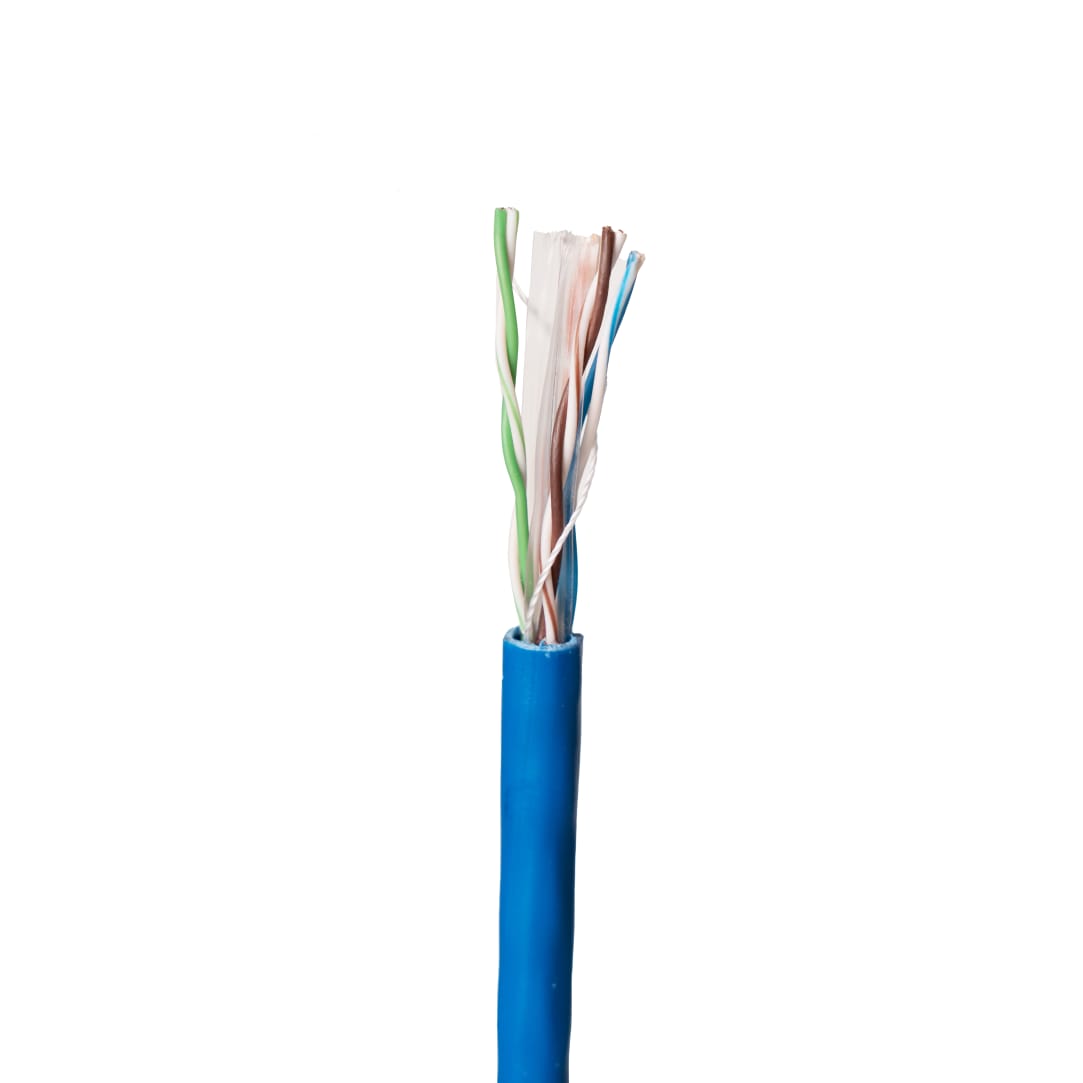
What Is Cat 6 Cable?
Cat 6, short for Category 6, is one of the most widely used Ethernet cable standards today.
It was developed as an improvement over older cable categories by offering higher speeds and better performance.
Cat 6 cables are designed to support:
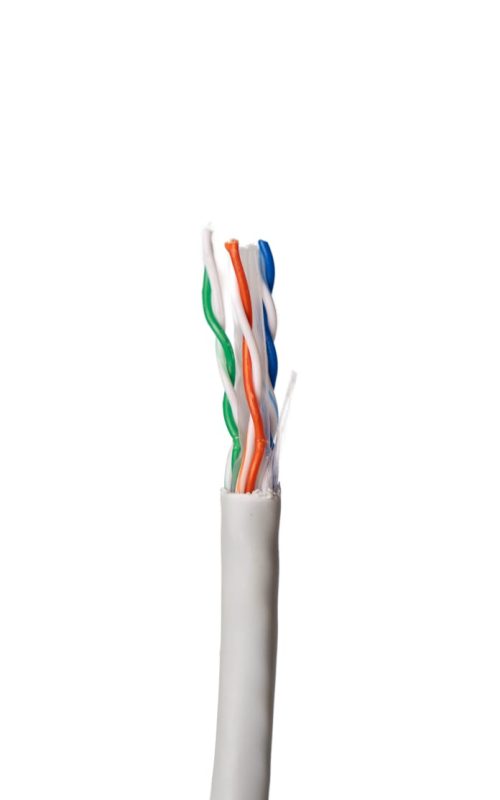
- Gigabit Ethernet
- High-speed data transfer
- Modern office networks
- Voice and video applications
They are commonly installed in:
- Small and medium businesses
- Offices
- Schools
- Residential buildings
- Commercial spaces
Cat 6 provides a strong balance between performance and cost, making it a popular choice for many networking projects.
Key Features of Cat 6
Cat 6 cables provide several advantages:
1. High-Speed Performance EMI Environments
Cat 6 supports data speeds suitable for many modern applications.
It can handle demanding activities such as:
- Cloud applications
- Video conferencing
- File sharing
- Onlnie collaboration tools
Improved Signal Quality
Compared to older cable categories, Cat 6 includes improved internal construction that helps reduce interference.
This results in more stable network communication.
Cost Efficiency
For many businesses, Cat 6 provides excellent performance without unnecessary additional investment.
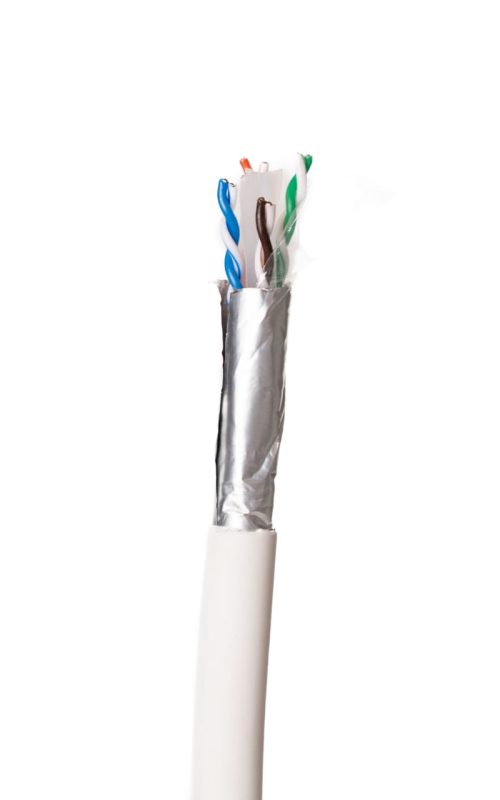
Understanding Cat 6A: The “A” Difference
The “A” in Cat 6A stands for “Augmented.”
Cat 6A was created as an enhanced version of Cat 6 to improve performance and support more demanding networking environments.
The major improvements include:
- Higher bandwidth capacity
- Better interference protection
- Longer transmission distance
- Improved support for high-speed applications
In simple terms, Cat 6A is built for networks that need more power, more reliability, and more room for future upgrades.
Cat 6 vs Cat 6A: Main Differences
Although both cables are designed for Ethernet networking, several factors separate them.
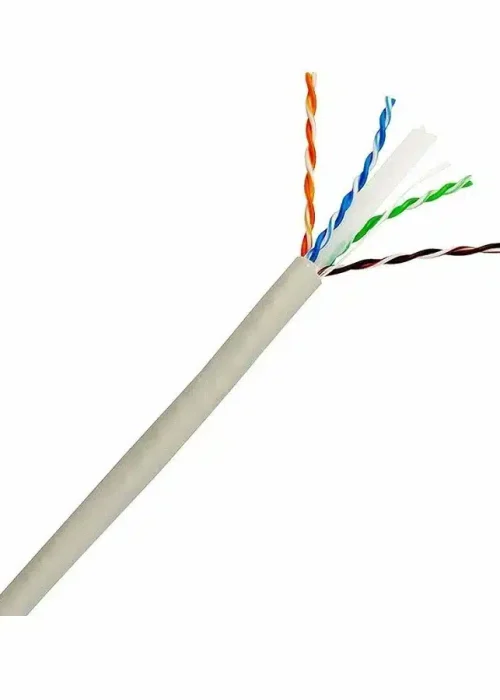
1. Bandwidth Capacity
One of the biggest differences between Cat 6 and Cat 6A is bandwidth.
Cat 6 supports bandwidth suitable for many business applications.
Cat 6A provides significantly higher bandwidth capacity, allowing it to handle more data-intensive environments.
This makes Cat 6A a better option for:
- Large enterprises
- Data centers
- High-performance networks
- Future-ready infrastructure
2. Transmission Distance
Distance is another important factor.
Cat 6 can support high-speed networking over standard distances, but performance can reduce depending on conditions.
Cat 6A is designed to maintain stronger performance over longer distances.
For larger buildings where cable runs are extensive, Cat 6A can provide more consistent results.
3. Crosstalk and Interference Protection
One major improvement in Cat 6A is better protection against signal interference.
Networks often experience interference from:
- Electrical equipment
- Nearby cables
- Heavy infrastructure
- Multiple connected devices
Cat 6A uses improved design features to reduce crosstalk between cables.
This helps maintain cleaner signals and more reliable communication.
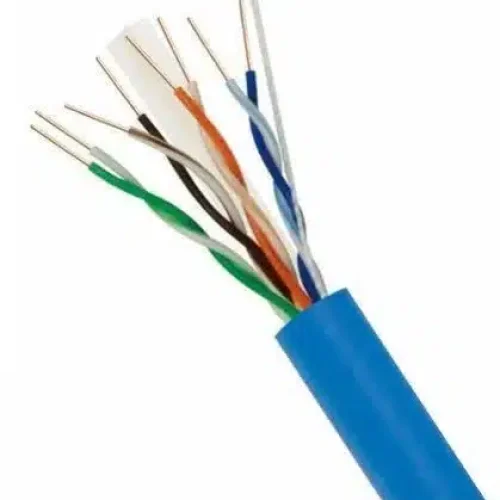
4. Physical Size
Cat 6A cables are generally thicker than Cat 6 cables.
The additional size comes from improved internal construction and stronger protection against interference.
This means installation planning is important, especially in spaces with limited cable pathways.
5. Cost Difference
Cat 6 is usually more affordable compared to Cat 6A.
For businesses with basic networking requirements, Cat 6 may be completely sufficient.
However, Cat 6A can be a better investment for organizations planning long-term infrastructure upgrades.
Which Cable Is Better for Your Business?
The answer depends on your network requirements. There is no universal winner between Cat 6 and Cat 6A. Each has its own advantages.
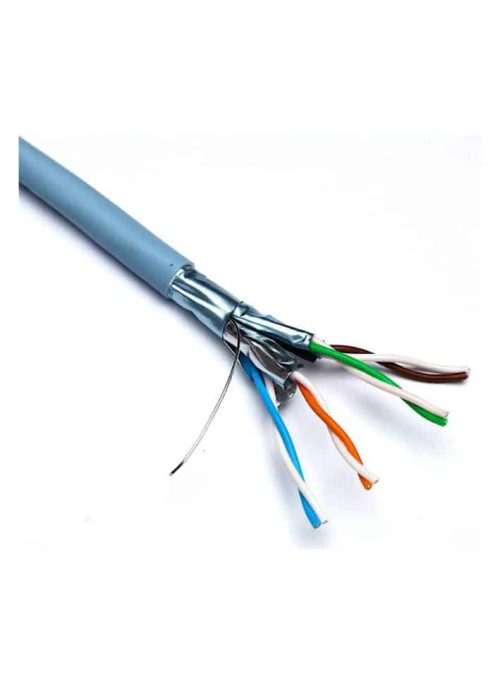
Cat 6 May Be Suitable For:
- Small offices
- Standard computer networks
- Basic IP systems
- Limited device environments
- Budget-focused installations
It provides reliable performance for everyday networking needs.
Cat 6A May Be Better For:
- Large corporate offices
- Data-heavy operations
- Server rooms
- Smart buildings
- Security systems
- Security syFuture technology upgradesstems
If your organization expects increasing data demands, Cat 6A offers more flexibility.
Cat 6A and Future-Proof Networking
Technology continues to evolve quickly. Businesses today use more connected devices than ever before.
Modern workplaces rely on:
- Cloud platforms
- AI-based systems
- High-resolution video
- IoT devices
- Advanced security solutions
A cabling system installed today should ideally support tomorrow’s requirements.
Cat 6A is often selected for future-proof projects because it provides greater performance capacity.
The Role of Professional Installation
Even the best cable cannot deliver reliable performance without proper installation. Structured cabling requires careful planning and technical expertise.
Professional installation ensures:
Choosing Only Based on Price
The cheapest option may not always provide the best long-term value.
Ignoring Expansion Plans
A growing business may quickly outgrow a basic network setup.
Not Considering Environment
Large facilities may require stronger interference protection.
Mixing Poor Quality Components
Cable performance depends on the complete system, including connectors and installation quality.
Conclusion
The difference between Cat 6 and Cat 6A is not just an extra letter. The “A” represents an improved version designed to provide higher bandwidth, better interference protection, stronger performance, and greater support for future networking demands.
Cat 6 remains a reliable solution for many standard applications, while Cat 6A is often the preferred choice for businesses that need advanced, scalable, and future-ready infrastructure.
Choosing the right cable depends on your business size, technology needs, and long-term plans.
At Cable Zone Technology, we provide professional structured cabling solutions designed for modern businesses. From network planning and installation to high-performance cabling systems, our experienced team helps organizations build reliable and efficient IT infrastructure. Contact us today to discuss the right cabling solution for your office or commercial project.
- The level of electromagnetic interference
- The physical routing of cables
- The quality of installation
- The capability of the installation team
Unshielded cables are sufficient for the majority of commercial applications. Shielded cables become essential only in environments where interference cannot be controlled through installation practices alone.
Ultimately, the goal is not to choose the most advanced cable, but to choose the right cable for the specific environment. For businesses looking for reliable networking solutions and expert guidance, Cable Zone Technology offers a wide range of high-quality cables and industry-backed support to help you make the right choice for your project.