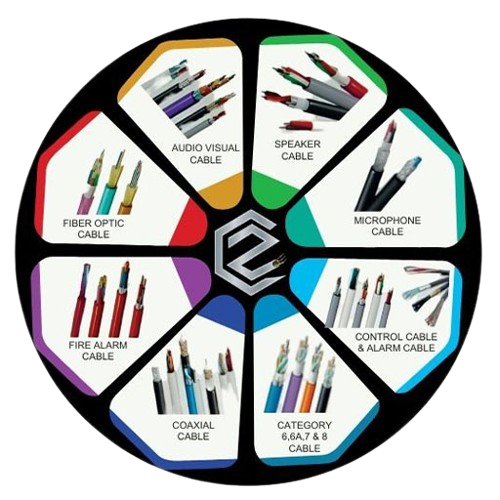
In today’s digital world, having a stable and fast internet connection is essential for both homes and businesses. But when it comes to setting up internet connections, one of the most common questions people ask is: Coaxial Cable vs Ethernet Cable: Which Is Better for Internet Connectivity? This blog provides a complete comparison between these two cable types, explaining how they work, their features, benefits and the best applications for each. By the end of this guide, you will have a clear understanding of which cable is best suited for your internet setup, depending on your speed, distance and reliability needs.
Understanding Internet Connectivity Cables
Internet connectivity relies on cables that transmit data between your modem, router and devices. Two of the most widely used options are coaxial cables and Ethernet cables. While both serve the same purpose, that is to connect you to the internet, but they differ in structure, performance and how they deliver data.
Let’s start by understanding each type in detail.
What Is a Coaxial Cable?
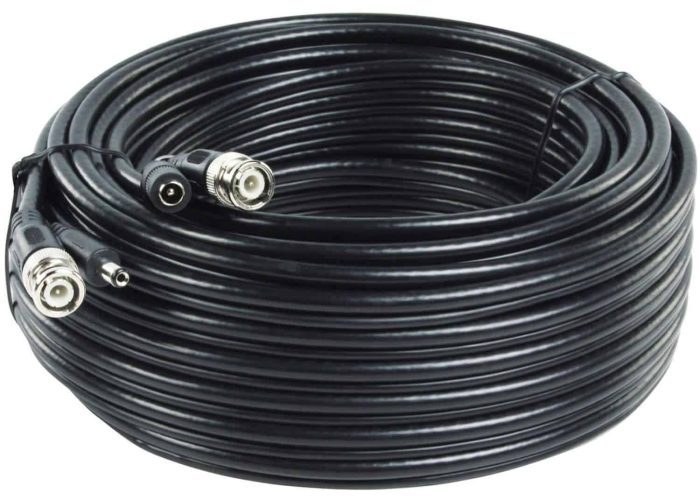
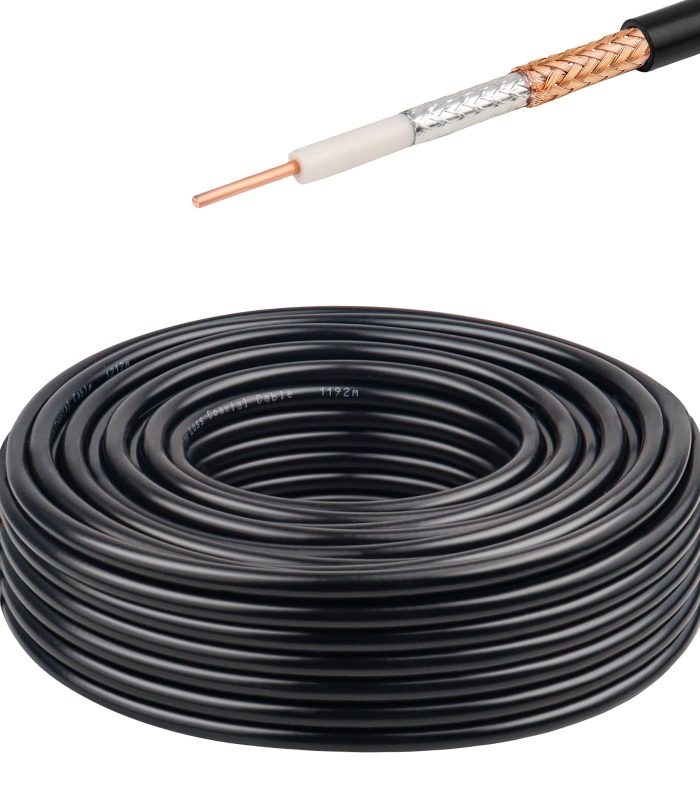
A coaxial cable, often called “coax,” has been used for decades for transmitting television and internet signals. It consists of a central copper conductor, an insulating layer, a metallic shield and an outer plastic cover. This design helps reduce signal interference and ensures stable data transmission.
Features of Coaxial Cable:
- Central copper core for signal transmission.
- Shielded design to protect from external interference.
- Durable and resistant to damage.
- Commonly used by cable internet providers.
Benefits:
- Reliable for long-distance data transmission.
- Simple and sturdy construction.
- Works well for connecting modems and TV boxes.
- Less prone to physical wear and tear.
Applications:
- Cable television systems.
- Broadband internet connections.
- CCTV and security camera installations.
- Satellite and antenna connections.
Coaxial cables are widely used in homes and offices where internet connections are provided via cable service providers.
What Is an Ethernet Cable?
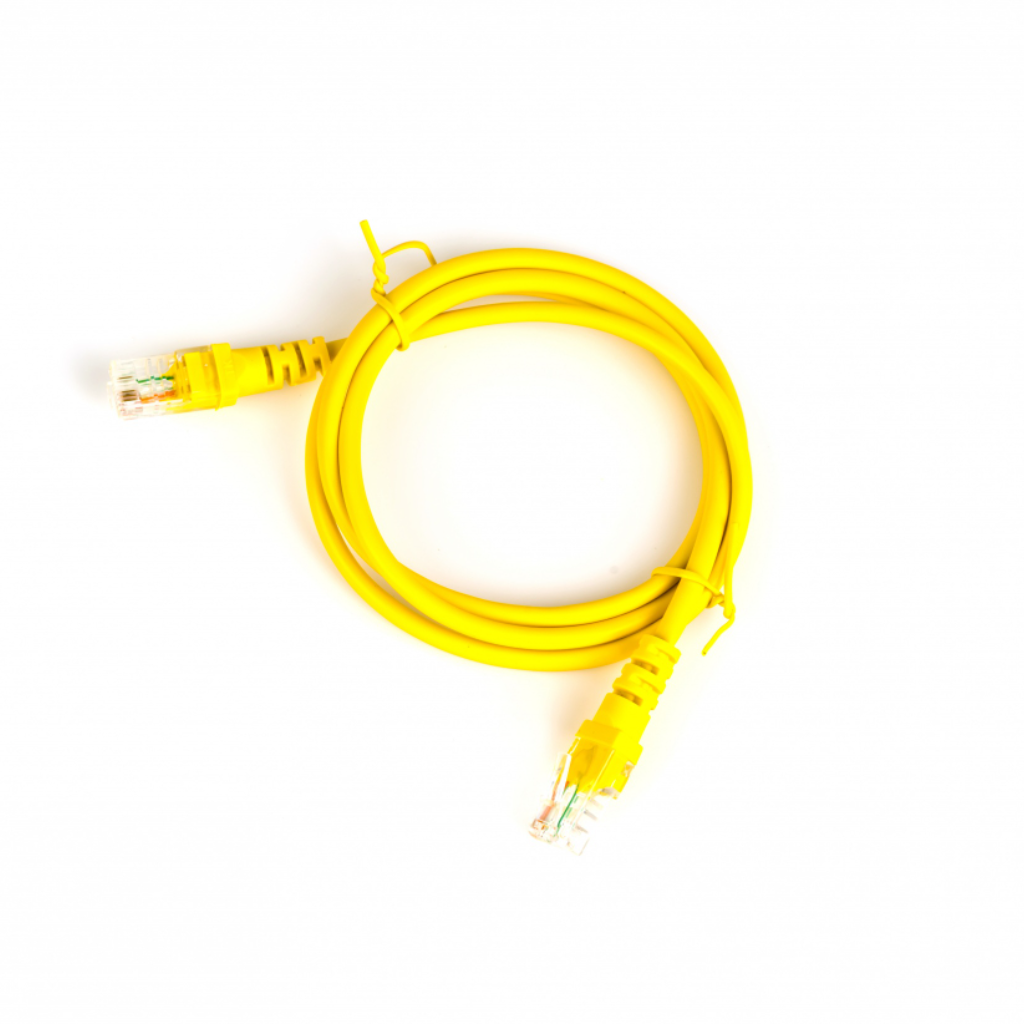
An Ethernet cable, also known as a network cable or LAN cable, is specifically designed for high-speed data transfer between computers, routers and network switches. It consists of twisted pairs of copper wires enclosed in an insulated sheath to minimize interference and enhance performance.
Features of Ethernet Cable:
- Made with twisted copper pairs to reduce crosstalk.
- Supports high-speed data transmission.
- Available in different categories such as Cat5e, Cat6, Cat6a and Cat7.
- Ideal for both residential and commercial networking.
Benefits:
- Delivers faster and more stable internet speeds.
- Supports gigabit and even multi-gigabit data rates.
- Perfect for real-time applications like gaming, video streaming, and VoIP.
- Allows direct connection between devices for minimal latency.
Applications:
- Office networks and data centers.
- Home internet connections.
- Smart home devices and routers.
- Servers and network storage systems.
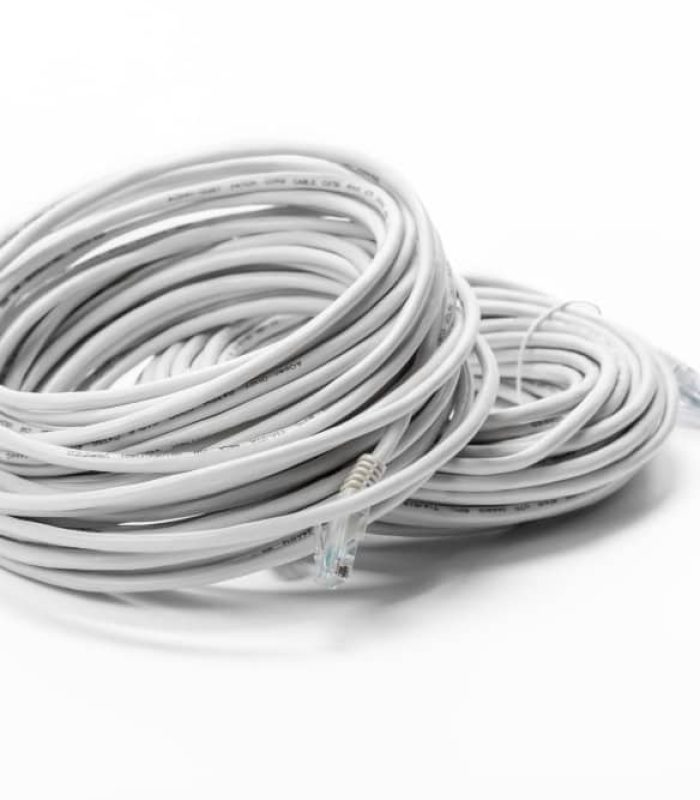
Ethernet cables are preferred for high-speed internet and reliable connections, especially where network performance is a top priority.
Key Differences: Coaxial Cable vs Ethernet Cable
To help you decide which option suits your needs, here’s a comparison of the main differences between coaxial and Ethernet cables:
Feature | Coaxial Cable | Ethernet Cable |
Structure | Single copper core with shielding | Multiple twisted pairs of copper wires |
Speed | Moderate (up to 1 Gbps in some cases) | Very high (up to 10 Gbps or more) |
Interference Protection | Good shielding | Excellent interference resistance |
Distance | Works well for long distances | Best for short to medium distances |
Installation | Easier and more durable | Slightly complex but flexible |
Use Case | Internet via cable modem or TV setup | High-speed local networks and data connections |
In short, coaxial cables are better suited for connecting modems and external internet sources, while Ethernet cables are best for internal networking and high-speed connectivity within a building.
Which Cable Should You Choose?
Choosing between coaxial and Ethernet cables depends on your specific requirements:
1. For High-Speed Internet:
If you want the fastest possible connection for gaming, streaming, or work-from-home setups, Ethernet cables, especially Cat6 or Cat7, are the best choice.
2. For Long-Distance Transmission:
Coaxial cables are more effective when the internet signal needs to travel longer distances without significant loss, such as between your main connection point and your modem.
3. For Stable Home Networking:
Ethernet cables ensure consistent performance across multiple devices, making them ideal for routers, smart TVs and computers.
4. For Older Infrastructure or Cable Services:
If your internet provider uses cable broadband, coaxial cables will still play a role in connecting your modem to the service line.
Advantages of Using High-Quality Cables
Regardless of which cable you choose, using high-quality materials makes a big difference in performance and longevity.
Here’s why investing in premium cables matters:
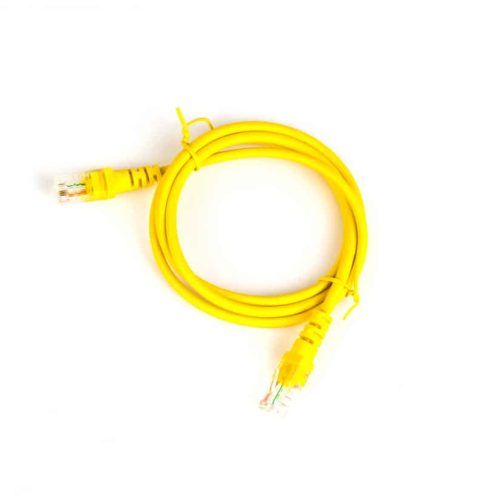
- Better Signal Strength: Reduces lag, buffering and connection drops.
- Enhanced Durability: Resists heat, bending and corrosion.
- Future-Ready Performance: Supports upgraded internet speeds and bandwidth.
- Improved Safety: Minimizes risks of overheating or electrical faults.
- Consistent Reliability: Delivers steady data flow for multiple connected devices.
Trending Insight: Hybrid Connections
In recent years, many setups combine both coaxial and Ethernet cables. Internet service providers often use coaxial cables to deliver broadband from the main line to your modem, and Ethernet cables to connect the modem to your router or devices. This combination ensures wide coverage along with high-speed local performance, a practical approach for modern households and businesses.
Selecting the right cable is an investment that pays off in consistent connectivity, efficiency, and peace of mind.
Conclusion
To sum up, when it comes to Coaxial Cable vs Ethernet Cable: Which Is Better for Internet Connectivity?, the answer depends on your usage and setup. Coaxial cables are reliable for transmitting data over long distances and are commonly used by service providers. Ethernet cables, on the other hand, deliver superior speed, stability and performance for networking and device connections.
For those seeking durable, high-performance cabling solutions, Cable Zone Technology offers a complete range of coaxial and Ethernet cables designed for both residential and commercial needs. With quality materials, advanced technology and reliable performance, we ensure that your internet connectivity remains fast, stable and future-ready.